When Gambling Starts Feeling Harder to Control
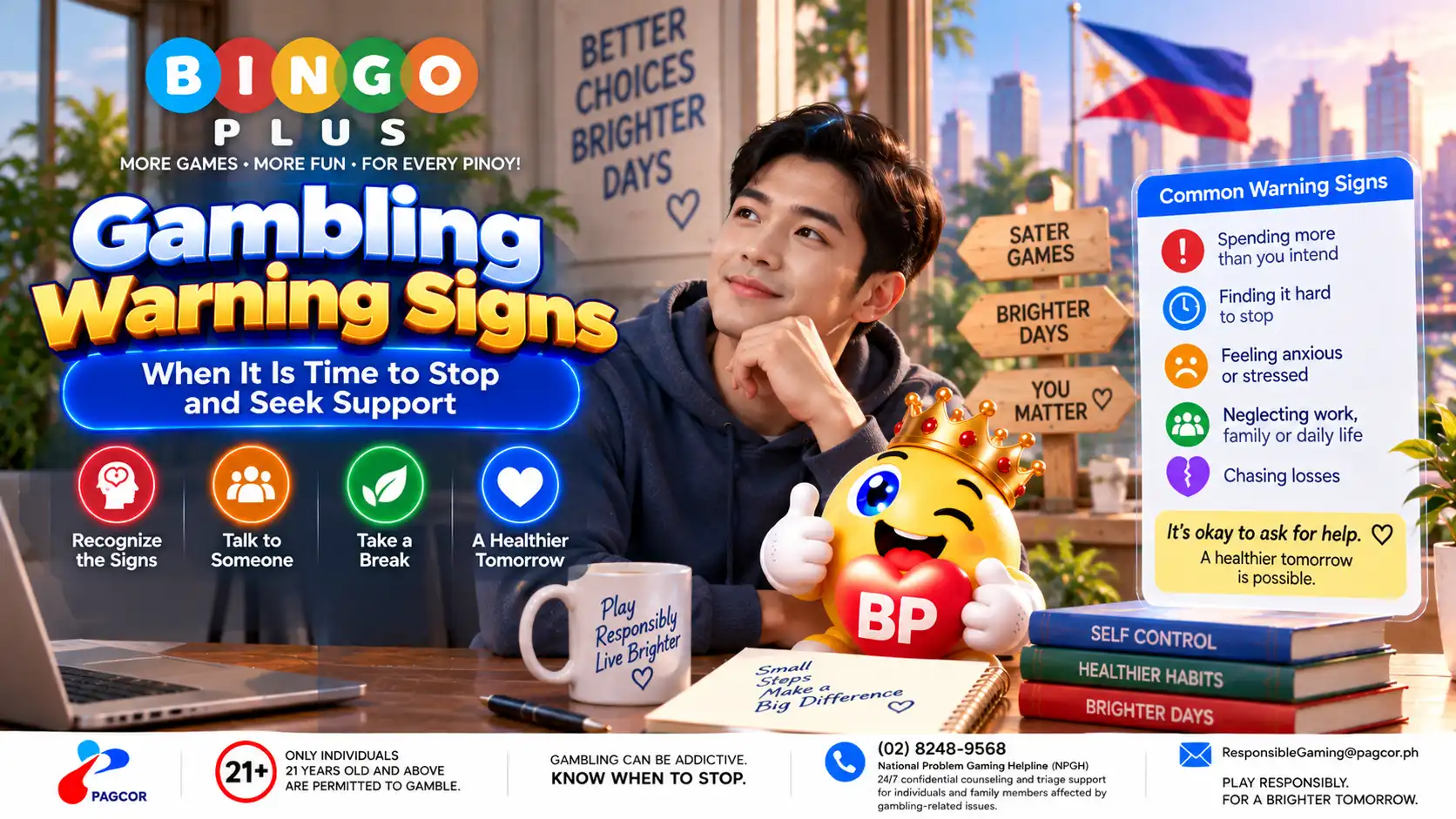
Warning signs can appear gradually. A person may initially plan to spend a certain amount of money or time, then find that those limits are becoming increasingly difficult to follow.
Signs worth noticing can include playing for longer than intended, spending more than planned, repeatedly changing personal limits, or finding it difficult to stop even after deciding that a session should end.
Another warning sign is thinking about gambling so often that it begins taking attention away from work, study, family, sleep or other everyday activities.
You do not need to wait for serious financial or personal harm before responding. Recognizing a change in control early can be a reason to pause and reconsider your gambling activity.
Chasing Losses Is an Important Warning Sign
Trying to recover money already lost can turn a planned gambling session into a much longer or more expensive one.
A loss does not make a future win more likely. Increasing spending, extending play or returning immediately because you feel that you need to “win it back” can increase financial risk.
Pay attention if you find yourself exceeding a limit specifically because of an earlier loss, repeatedly returning after deciding to stop, or viewing additional gambling as the way to repair a financial setback.
When this happens, stop the session rather than increasing the amount at risk. Money already lost should not determine how much more you spend.
Financial Warning Signs
Gambling should not interfere with money needed for everyday life.
Financial warning signs can include using money intended for bills or essential expenses, borrowing in order to continue gambling, hiding spending, repeatedly exceeding a planned budget, or experiencing difficulty meeting financial commitments because of gambling.
Another concern is beginning to view gambling as a source of income or as a solution to debt.
If gambling is creating financial pressure, stop adding more money to the situation. Review your finances away from the gambling environment and consider seeking appropriate financial or responsible-gaming support.
Changes in Daily Life and Relationships
Not every warning sign is financial. Changes in everyday life can also indicate that gambling is becoming harmful.
Consider whether gambling is affecting your sleep, concentration, work, studies, relationships or usual responsibilities.
Other signs can include hiding the amount of time spent gambling, becoming defensive when someone raises concerns, withdrawing from normal activities, or experiencing repeated conflict with family or friends about gambling.
Stress, frustration or persistent preoccupation with gambling are also reasons to step away and reassess what is happening.
If people you trust are expressing concern, consider what they are observing rather than dismissing it automatically.
When It Is Time to Take a Break
Taking a break can be appropriate whenever gambling stops feeling manageable or begins affecting other parts of your life.
Stop and step away if you are repeatedly exceeding your limits, chasing losses, gambling with money needed elsewhere, hiding your activity or continuing despite negative consequences.
A break can involve ending the current session, staying away for a longer period, using available responsible-play controls or reducing access to gambling services.
Avoid making further gambling decisions while angry, distressed, exhausted or under financial pressure.
Stopping is not something that needs to wait until a problem becomes severe. Acting earlier can help prevent additional harm.
When It Is Time to Take a Break
Taking a break can be appropriate whenever gambling stops feeling manageable or begins affecting other parts of your life.
Stop and step away if you are repeatedly exceeding your limits, chasing losses, gambling with money needed elsewhere, hiding your activity or continuing despite negative consequences.
A break can involve ending the current session, staying away for a longer period, using available responsible-play controls or reducing access to gambling services.
Avoid making further gambling decisions while angry, distressed, exhausted or under financial pressure.
Stopping is not something that needs to wait until a problem becomes severe. Acting earlier can help prevent additional harm.
If You Are Concerned About Someone Else
Warning signs may also be noticed by family members or friends.
If you are concerned about someone else's gambling, choose a calm time to discuss what you have observed. Focus on specific changes, such as financial difficulties, missed responsibilities or changes in behaviour, rather than beginning with accusations.
Encourage the person to consider taking a break and seeking appropriate support.
Avoid providing money that may enable further gambling or trying to recover losses on the person's behalf.
Support services can also be relevant to family members and other people affected by gambling-related harm.
Finding Help in the Philippines
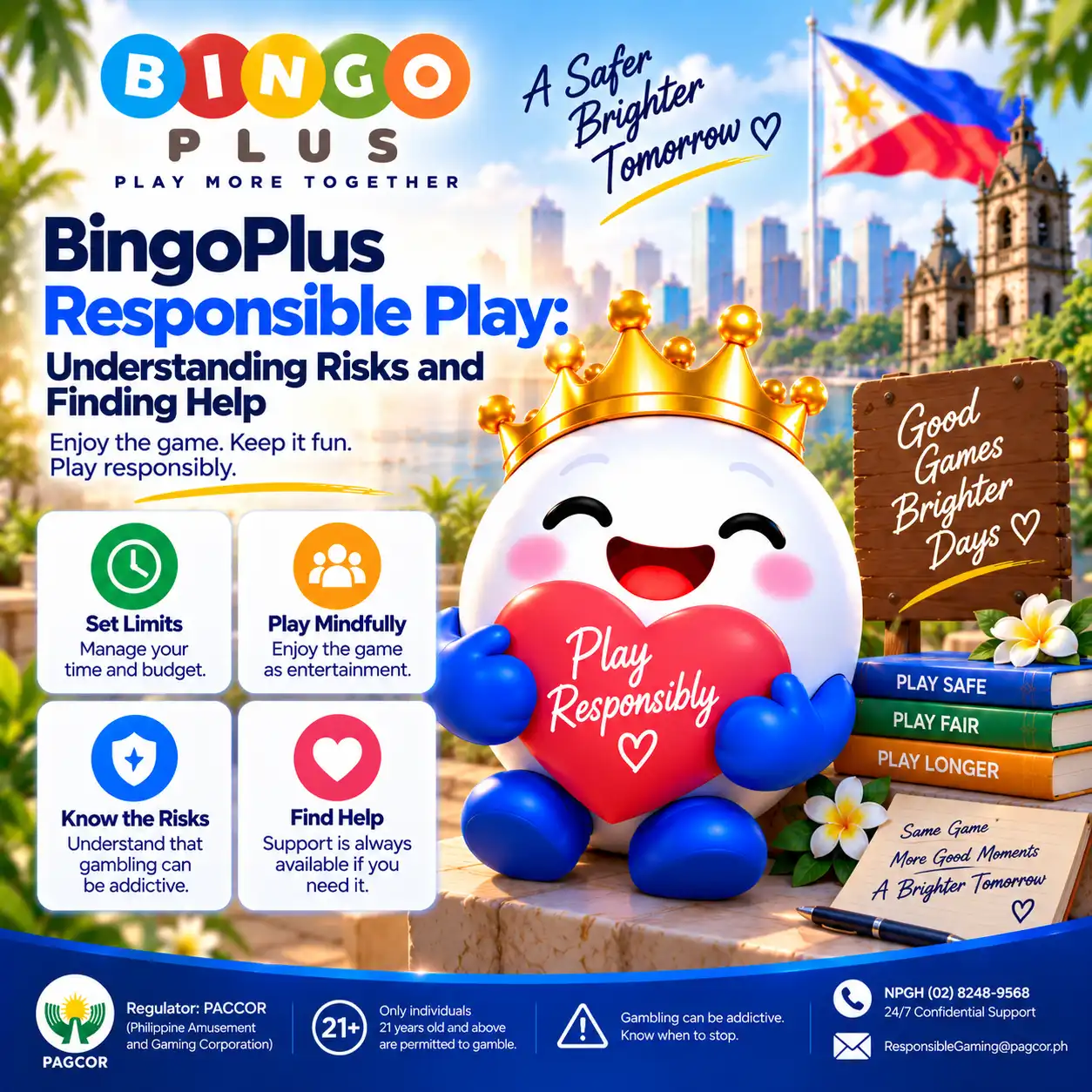
If gambling is becoming difficult to control or is causing financial, emotional, family or other problems, consider seeking support.
BingoPlus is intended only for eligible adults aged 21 and above.
National Problem Gambling Helpline (NPGH)
Telephone: (02) 8248-9568
PAGCOR Responsible Gaming
Email: ResponsibleGaming@pagcor.ph
You do not need to wait until gambling-related harm becomes severe before asking for help. Taking a break and discussing the situation with an appropriate support service can be useful when warning signs begin to appear.
Gambling can be addictive. Know when to stop.
Sources & references
Review: Reviewed for responsible-play guidance, gambling warning signs, harm-reduction information and support resources relevant to adults in the Philippines.