
Set Limits Before You Start
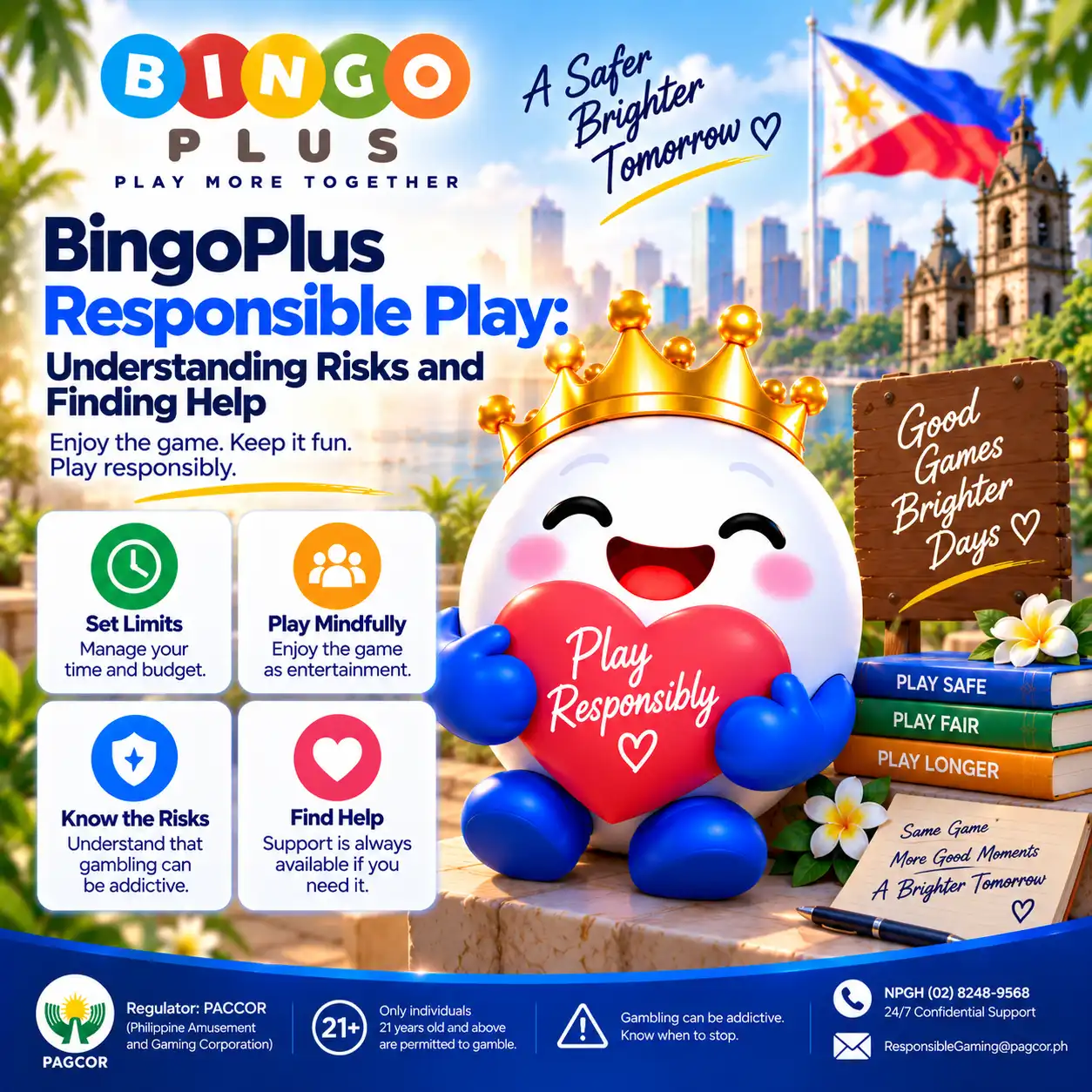
Time and spending limits are most useful when they are decided before gambling begins.
Choose an amount of money you can afford to lose without affecting essential expenses, savings or other financial commitments. Decide how much time you are prepared to spend as well.
These limits should be treated as boundaries rather than targets. You do not need to use the full amount of money or time simply because it was available.
Avoid changing a limit in response to what happens during a session. A win or loss should not become the reason for increasing the amount of money or time you originally decided to use.
If the planned limit no longer feels comfortable, stop rather than extending it.
Keep Essential Money Separate
Money needed for everyday life should remain separate from money you have decided can be spent on entertainment.
Do not use money intended for food, housing, utilities, healthcare, education, transportation, debt payments or other essential commitments.
Avoid borrowing money, using emergency savings or relying on future income in order to continue gambling.
A spending limit should be based on money you can afford to lose. It should not depend on the expectation that future winnings will replace what has been spent.
If gambling begins competing with essential expenses, stop and review the situation before spending more.
Use Time Limits as Well as Spending Limits
Spending is only one part of responsible play. The amount of time spent gambling also matters.
Decide in advance when a session will end and consider using an alarm, timer or available account control as a reminder.
Take regular breaks away from the screen and avoid allowing gambling to replace sleep, work, study, family time or other normal activities.
Pay attention if sessions repeatedly continue beyond the time you originally planned.
If stopping at the chosen time becomes difficult, that is useful information in itself. Consider taking a longer break rather than simply setting a new, later limit.
Do Not Increase Limits to Chase Losses
A spending limit should not increase because an earlier result was a loss.
Trying to recover lost money by spending more, extending a session or returning immediately can increase financial risk. Previous outcomes do not guarantee what will happen next.
If you reach the spending limit you set before playing, stop.
Avoid telling yourself that one more round, a larger amount or additional time is necessary to recover what has already been lost.
Money already spent should not determine how much more you are willing to risk.
Review Whether Your Limits Are Actually Working
Setting a limit is useful only if you are able to follow it consistently.
From time to time, review your actual behaviour rather than focusing only on the limit you intended to follow.
Ask yourself whether you regularly stop at the planned time, stay within the amount you decided to spend and keep gambling separate from essential finances.
Also consider whether you frequently change limits during a session, return sooner than intended after stopping or spend more after a loss.
If the limits are repeatedly being changed or ignored, simply creating another limit may not address the underlying problem.
When Personal Limits May No Longer Be Enough
Personal limits may no longer be enough when following them becomes consistently difficult.
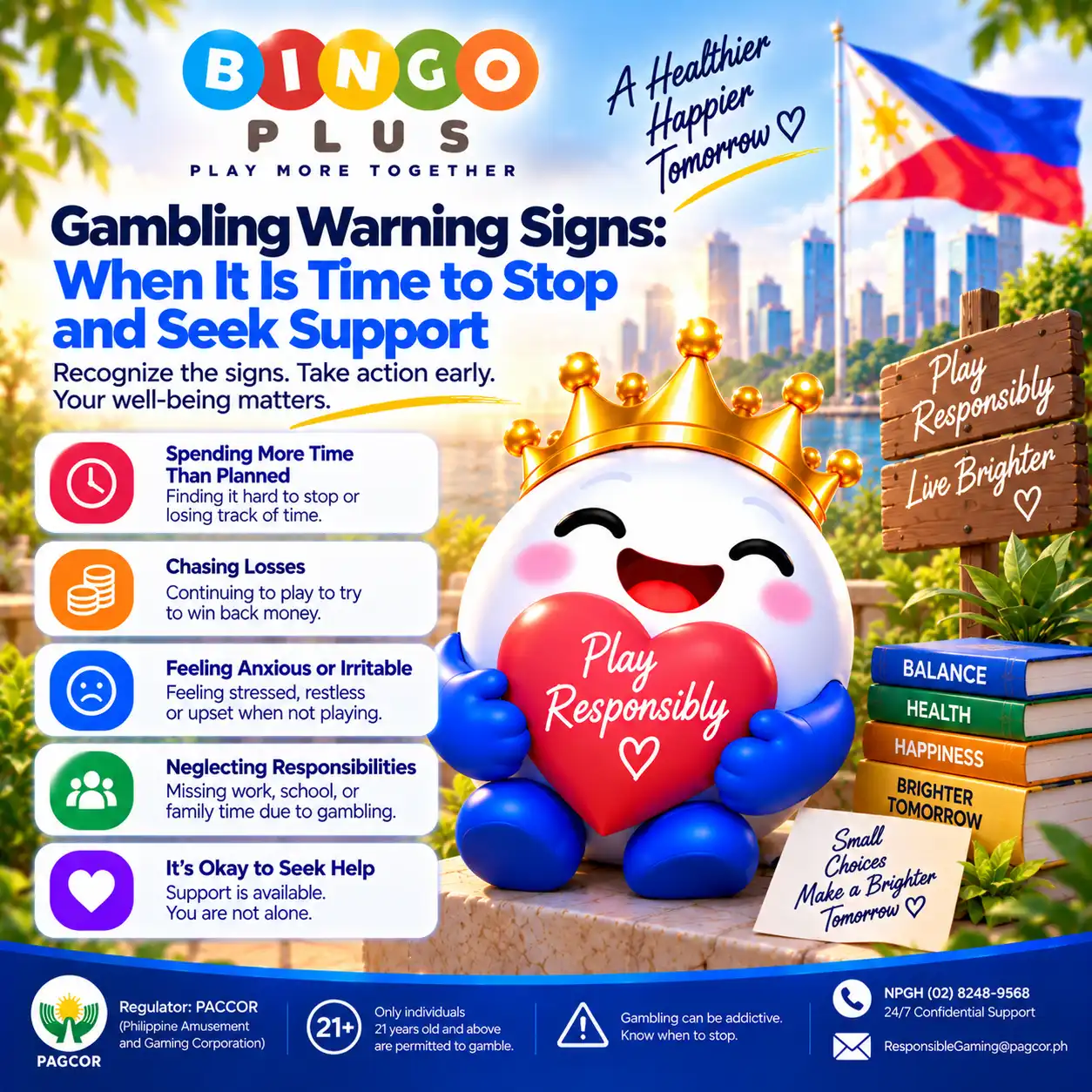
Warning signs can include repeatedly exceeding spending or time limits, chasing losses, borrowing money, hiding gambling activity, neglecting responsibilities or continuing despite financial, emotional or relationship problems.
Another warning sign is repeatedly increasing a limit after reaching it rather than stopping.
If these patterns are occurring, consider moving beyond self-set limits. Taking a longer break, reducing access to gambling, using available responsible-play controls or seeking support may be more appropriate.
You do not need to wait until the situation becomes severe before taking additional action.
Stop and Seek Support When You Need It
If gambling is becoming difficult to control or is affecting your finances, wellbeing, relationships or everyday responsibilities, stop and consider seeking support.
BingoPlus is intended only for eligible adults aged 21 and above.
National Problem Gambling Helpline (NPGH)
Telephone: (02) 8248-9568
PAGCOR Responsible Gaming
Email: ResponsibleGaming@pagcor.ph
Support may also be relevant to family members and other people affected by gambling-related harm.
Taking a break or asking for help does not need to wait until gambling has caused a crisis.
Gambling can be addictive. Know when to stop.
Sources & references
Review: Reviewed for responsible-play guidance, time and spending boundaries, loss-chasing risks, warning signs and guidance on when additional support may be appropriate.