



Bingo online looks friendly because the rules are simple, the cards feel familiar, and mobile platforms make every round easy to join. That ease can hide real risks. A player may register on the wrong site, accept a bonus with harsh terms, fail KYC, or discover withdrawal limits only after winning.

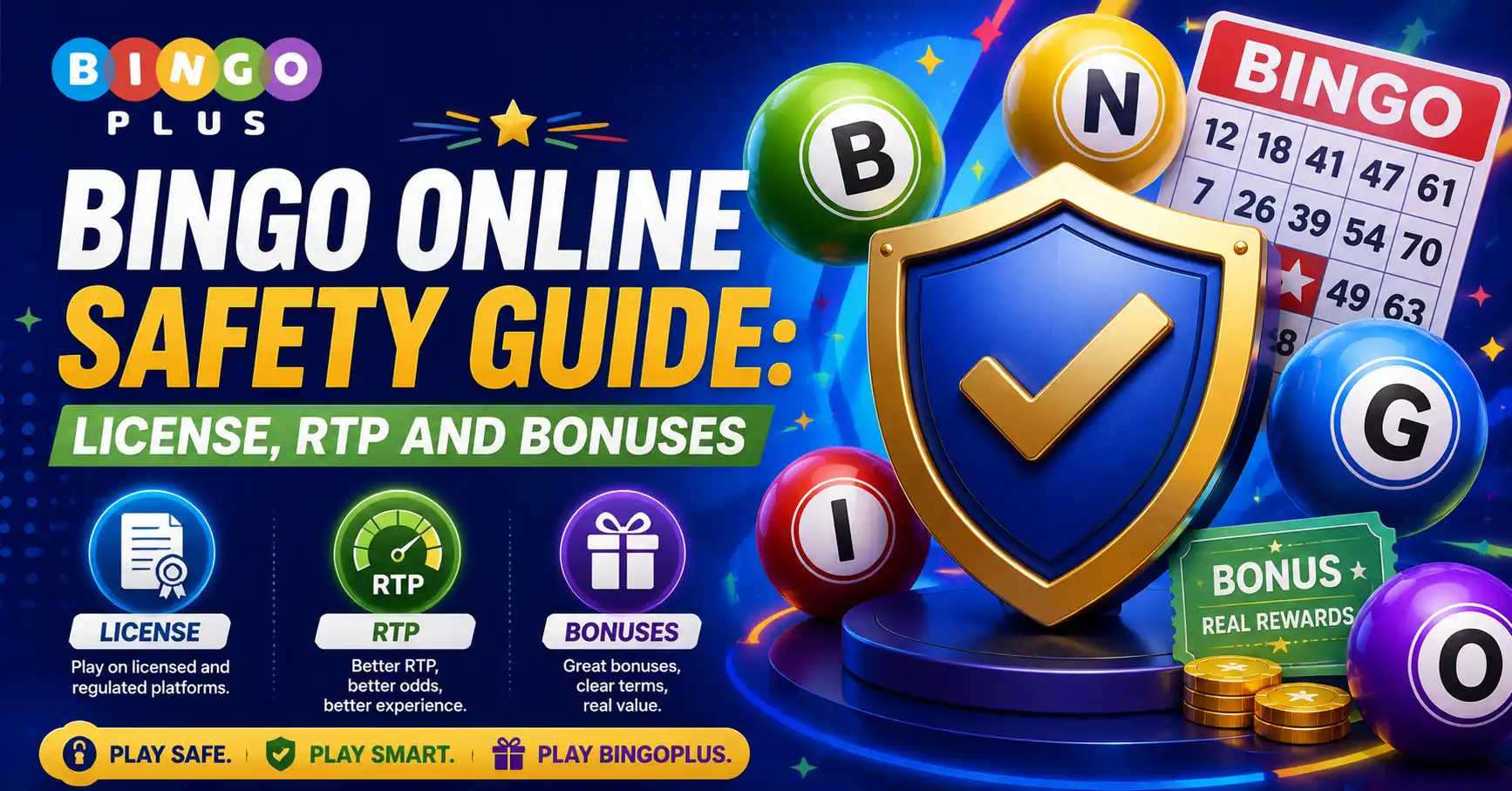
When I review a bingo online platform, I use three gold standards before trusting it:
- License and registered domain
- KYC, payment rules, and withdrawal limits
- Game math, including RTP, RNG, volatility, and bonus wagering
- Click to spin for free and win the ultimate prize!
For Philippine users, PAGCOR’s public list of service providers and registered domains is one of the first references I check. The document is titled List of Service Providers and Registered Domains/URLs as of 18 March 2025, and it shows provider names, game offerings, brands, and registered URLs. It lists AB Leisure Exponent, Inc. with Traditional Bingo Games, the Bingo Plus brand group, and domains including https://bingoplus.ph/ and https://bingoplus.com/.
Bet responsibly, live a wonderful life. Bingo online carries financial risk, and every player is responsible for their own account, deposits, bets, and withdrawals.
Authoritative Licensing and Safety
A safe bingo online review starts with the platform behind the game.
Not the banner.
Not the bonus.
Not the app design.
The first question is simple: can the operator and domain be verified?
Why Licensing Matters
A gambling license can help protect players through:
- Operator accountability
- Registered business information
- Approved domains or URLs
- KYC identity checks
- Anti-money laundering controls
- Payment monitoring
- Responsible gaming requirements
- Game compliance expectations
A license does not mean a player will win.
It means the platform is expected to follow rules.
That difference is important.
Philippine PAGCOR and Bingo Online
For players in the Philippines, PAGCOR is a key regulatory reference.
Its registered-domain list matters because users should verify the exact website address, not just the brand name. Fake pages can copy logos, use familiar colors, and show similar login buttons.
The PAGCOR list includes game offerings such as Traditional Bingo Games, Electronic Bingo Games, Electronic Casino Games, sports betting, specialty games, and other online categories. It also includes registered domains tied to listed service providers.
That is useful for bingo online players.
It gives them a way to check whether a domain has a public regulatory footprint.
What a PAGCOR Domain Check Can Show
A PAGCOR-registered domain can help confirm:
- The platform appears in a public list.
- The brand is connected to a listed service provider.
- The domain or URL is visible in official records.
- The user has a clearer starting point for verification.
It cannot guarantee:
- You will win.
- Withdrawals will be instant.
- A bonus has real value.
- A copied app is safe.
- A mirror page is official.
- You can skip KYC.
A legal platform can still block withdrawal when account rules are broken.
That is why the terms matter.
Comparing License Types
Not every license gives the same practical protection.
I group them this way:
- Strong local license: Better for local users because domains, payments, and complaints are easier to trace.
- Recognized international license: Useful when the regulator publishes records and handles disputes.
- Light offshore license: May provide legal cover, but player protection can be weaker.
- No visible license: High risk, especially when deposits are easy and withdrawal rules are hidden.
For Philippine bingo online users, a PAGCOR-registered domain is a strong local signal.
Still, I always check KYC, payments, withdrawal limits, support quality, and bonus terms.
Bingo Online Safety Checklist
Before registering, check:
- Does the exact domain appear in a regulatory list?
- Is the site using secure HTTPS?
- Are the operator details visible?
- Are KYC rules explained?
- Are deposit and withdrawal limits listed?
- Are bingo rules and prize mechanics clear?
- Are bonus terms shown before claiming?
- Is support easy to contact?
- Are responsible gaming reminders visible?
If the platform hides these basics, I do not treat it as safe.
Game Mathematics and Rules
Bingo online feels simple, but the math still matters.
The main terms to understand are RTP, RNG, prize pool, card cost, house edge, and volatility.
What RTP Means in Bingo Online
RTP means Return to Player.
In bingo online, RTP may depend on the game model:
- Fixed-prize bingo
- Progressive jackpot bingo
- Prize-pool bingo
- Side games attached to bingo rooms
- Promotional bingo rounds
If a bingo game has 90% RTP, it is designed to return ₱90 for every ₱100 wagered over a very large sample.
That does not mean you get ₱90 back in one session.
Short-term results can vary heavily.
RNG and Digital Bingo Draws
Most digital bingo games use RNG, or Random Number Generator, to draw numbers or determine outcomes.
A proper RNG means:
- Numbers are generated randomly.
- Past draws do not control future draws.
- A pattern does not guarantee a win.
- More cards increase coverage, not certainty.
- “Guaranteed bingo system” claims are false.
If someone sells a bingo pattern or app hack, I treat it as a scam.
Example: 75-Ball Bingo Risk and Strategy
A common bingo format is 75-ball bingo, where players buy cards and mark numbers as they are drawn.
The math depends on:
- Number of players
- Number of cards in play
- Card price
- Prize pool
- Prize structure
- Jackpot condition
- Platform fee or margin
A player buying more cards has more number combinations.
That improves coverage, but also increases cost.
My practical bingo approach is conservative:
- Buy fewer cards at first.
- Check the prize pool before joining.
- Avoid overpaying for low-value rooms.
- Set a session budget.
- Do not chase near-misses.
- Stop when the budget is reached.
Near-misses feel emotional.
They are not proof that a win is “due.”
Example: Fixed-Prize Bingo vs Jackpot Bingo
Fixed-prize bingo is easier to understand.
The prize is known before the round starts.
Jackpot bingo can look more attractive, but the probability may be lower because jackpot conditions are usually harder.
A safer player checks:
- Is the prize fixed or progressive?
- How many numbers are required?
- Is there a time or ball-limit condition?
- How many users are playing?
- What is the card price?
- Are side prizes available?
- What happens if multiple players win?
The bigger headline prize is not always the better value.
Volatility in Bingo Online
Volatility describes how rough the payout pattern feels.
- Low volatility: smaller prizes, more frequent wins
- Medium volatility: balanced prize structure
- High volatility: larger prizes, longer losing periods
Bingo with big jackpots usually feels more volatile.
That means longer dry runs are normal.
The player needs a smaller stake size and stricter budget.
Simple Bingo Bankroll Method
I use a unit method for bingo online.
Example:
- Session budget: ₱1,000
- Unit size: ₱20
- Total units: 50
- Card purchase limit: 1–3 units per round
- Stop-loss: ₱1,000
- Stop-win: decided before play
This does not beat the game.
It prevents emotional card buying.
That matters because bingo rounds are quick on mobile.
Bonus Mechanism Breakdown
Bingo online promotions can look simple, but the rules often decide the real value.
A “free bingo bonus” or deposit match may include wagering requirements, game restrictions, expiry periods, and withdrawal caps.
What Wagering Requirements Mean
Wagering requirements tell you how much you must bet before bonus-related funds can be withdrawn.
Example:
- Deposit: ₱1,000
- Bonus: ₱1,000
- Rule: 10x bonus
- Required turnover: ₱1,000 × 10 = ₱10,000
Now compare a stricter version:
- Deposit: ₱1,000
- Bonus: ₱1,000
- Rule: 30x deposit + bonus
- Required turnover: ₱2,000 × 30 = ₱60,000
Same bonus amount.
Very different burden.
How to Calculate Real Bonus Value
Use this formula:
Real Bonus Value = Bonus Amount − Expected Loss During Wagering
Example:
- Bonus amount: ₱1,000
- Required wagering: ₱10,000
- Average game RTP: 90%
- House edge: 10%
- Expected loss: ₱10,000 × 10% = ₱1,000
In this case, the expected loss equals the bonus.
That means the bonus is not as generous as it looks.
If the required wagering is 30x, the math becomes much worse.
Bingo Bonus Contribution Rates
Some platforms may treat games differently for bonus clearing.
Example:
- Bingo rooms may contribute 100%.
- Slots may contribute 100%.
- Table games may contribute 10%.
- Some jackpot games may contribute 0%.
- Promotional rooms may not count.
A player should check contribution rates before joining.
A bonus can become frustrating if the preferred game does not count.
Bonus Red Flags
I avoid bingo online promotions with:
- Hidden wagering rules
- Very high turnover requirements
- Short expiry periods
- Low withdrawal caps
- Unclear eligible rooms
- Jackpot exclusions buried in fine print
- Customer support that cannot explain cashout rules
- Offers promoted only through unofficial links
A safer bonus is not the largest one.
It is the one with rules that are easy to understand.
KYC, Payments and Withdrawal Limits
Bingo online users often focus on joining rooms quickly.
I focus on withdrawal conditions first.
A platform that accepts deposits fast but hides withdrawal rules is not player-friendly.
What KYC Means
KYC means Know Your Customer.
A regulated platform uses KYC to verify:
- Identity
- Age eligibility
- Payment account ownership
- Duplicate account risk
- Anti-fraud controls
- Responsible gaming compliance
KYC may slow down withdrawals.
That does not make it suspicious by itself.
In regulated gaming, identity checks are normal.
How to Avoid KYC Delays
Before depositing, users should make sure:
- The registered name matches the valid ID.
- The phone number is active.
- The payment account belongs to the same person.
- Address or profile details are consistent.
- No duplicate account exists.
- Bonus terms are understood.
- Withdrawal limits are visible.
Most avoidable delays come from mismatched information.
A legal bingo online platform will usually be strict about identity and payment ownership.
Withdrawal Rules to Check
Before playing, check:
- Minimum withdrawal amount
- Maximum daily withdrawal
- Processing time
- Accepted payment methods
- KYC requirements
- Bonus-related withdrawal caps
- Fees or deductions
- Manual review triggers
A safe platform makes these rules easy to find.
If withdrawal terms are hidden, I stop.
How I Personally Review a Bingo Online Platform
My review process is strict because bingo online mixes entertainment, payments, identity checks, and fast mobile decisions.
I review in this order:
- License and regulatory signal
- Exact domain or official app source
- Bingo game rules
- Prize pool clarity
- RTP or payout transparency
- RNG and fairness information
- KYC requirements
- Deposit and withdrawal terms
- Bonus wagering rules
- Support quality
- Responsible gaming tools
If the platform fails the license or domain check, I do not continue.
No jackpot banner is worth unsafe access.
FAQ
How do I know if bingo online is legal in the Philippines?
Check whether the exact domain or URL appears in PAGCOR’s registered-domain list. Do not rely only on a logo, app name, or social media link.
How can I complete KYC faster?
Use your real name, upload a clear valid ID, verify your mobile number, and make sure your payment account matches your registered details.
Does RTP really decide whether I win at bingo online?
No. RTP is a long-term theoretical return. Short-term bingo results still depend on random draws, prize structure, card cost, player count, and bankroll control.
Final Expert View
Bingo online should be reviewed with the same seriousness as any other real-money gaming platform.
A safe choice depends on verifiable licensing, official domain access, transparent bingo rules, fair RNG, realistic RTP, clear KYC, visible withdrawal limits, and honest bonus terms.
For Philippine users, start with the PAGCOR registered-domain list, then review the game rules and payment terms before playing. Treat bingo online as entertainment, set limits, and never risk money you cannot afford to lose.